Style vs. Fashion
"Fashion is fleeting, style is timeless." I will use this quote from Yves Saint Laurent as the guiding principle for my article this month, because it couldn't be more fitting.
Style and fashion, fashion and style. To define both concepts, it is important to distinguish their respective timeframes.
Style is something authentic and timeless; it's another aspect of our personality, something like our aesthetic predisposition. Always present and recognizable in every action we take.
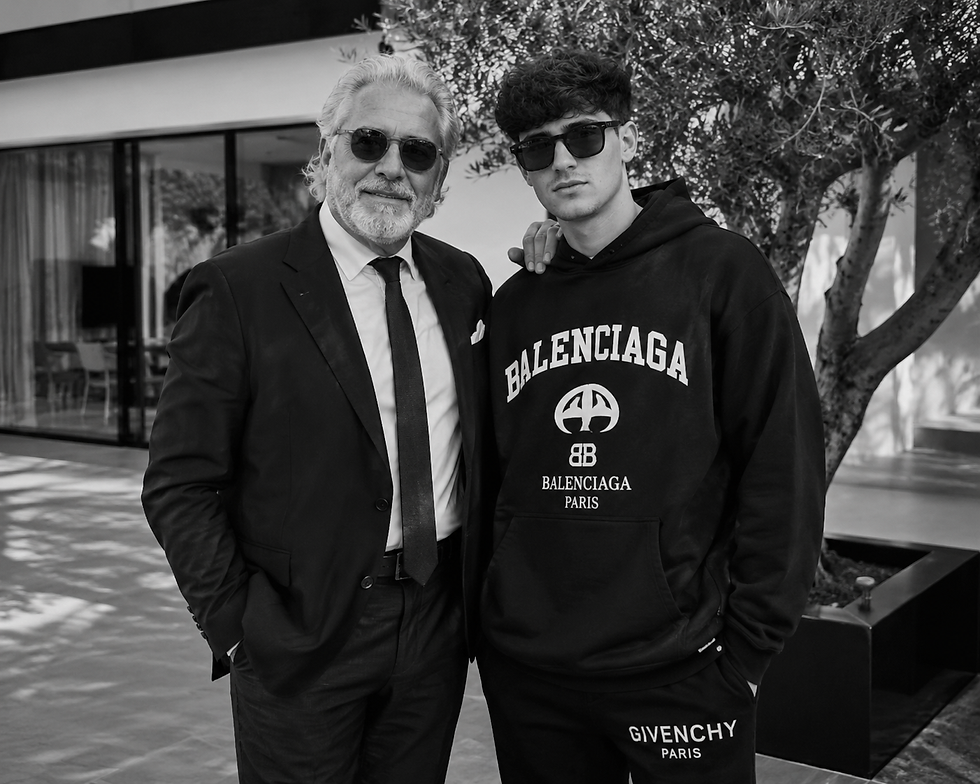
Fashion is a temporary means of expressing a mood, an occasion, or a moment. It can make visual suggestions, conveys intention, and is a very effective descriptive tool.
Both concepts are indispensable and important. They are more closely related than it seems.
Fashion is highly demanding due to its seasonality, widespread and rapid dissemination, rapid change, and sometimes even its lack of logic – factors that require potential buyers to withstand considerable commercial pressure. It is aggressive, demanding, and highly volatile. This hedonistic nature makes it a concept of high desirability and great success.
I understand style as a mantra, a philosophy of life that permeates every single one of our actions and extends beyond the purely textile realm. I could describe it as a non-negotiable condition, whereas fashion is more situational.
After this brief consideration, I would like to share with you a nice scale on which different style profiles can be found.
FASHIONIST.
Impulse purchases of short-lived clothing and accessories, which are nevertheless essential. These purchases don't follow any stylistic patterns but are driven by pure emotional attachment and a desire for immediate gratification. They result in consistently high spending.
TRENDSETTER.
Actively follows aesthetic trends without eccentricity. Active purchasing behavior. Thoughtful impulse.
SMART.
Participates in trends but values wearability and the ability to combine new pieces with their existing wardrobe. Low impulsive buying behavior.
CONCEPT.
True to the established and long-standing style concept, non-negotiable. The purchasing profile essentially comprises new items similar to, if not identical to, those being replaced, as these have a long amortization period. Shows no interest in trends.
360 DEGREE CUSTOMER.
He shops regularly, follows trends, and rationally adapts his clothing to his wardrobe. Occasionally, he allows himself some stylistic freedom, without disrupting the harmony of the outfit, and always in a very thoughtful way. Being perfectly dressed every day isn't a challenge for him, but a "must-have." Just as perfect as so many of the items in his closet.
In conclusion, I'd like to say that each of these friendly descriptions is based solely on my personal, non-binding opinion. They are meant to show that the range of styles is endless. Be yourself, own your style…!!


Comments